
Sewing Oil
Sewing machinery needles oil
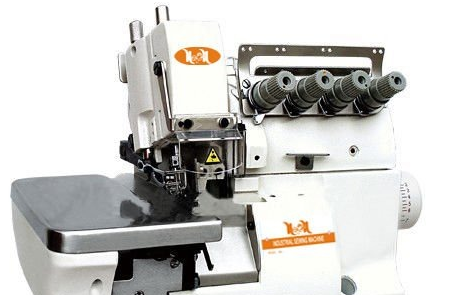
Industrial sewing machine maintenance requires daily cleaning of lint from the bobbin, hook, and tension discs, and oiling the machine every 6 hours of use. Regularly inspect for loose screws, replace needles frequently, and monitor oil levels in the pan to prevent damage. Proper care extends the machine’s lifespan and ensures consistent performance
High speed oil for the lubrication of needles in industrial and household sewing machine
Regular industrial sewing machines maintenance is required to keep your machine in top shape and to avoid any machine down time. Sewing operators of any skill level can maintain their machine on their own to keep it running smoothly, make it last longer and ensure that all the internal components are functional and protected when you need your machine most.
Sewing machines lubrication with Molylub SewTex oil
An industrial sewing machine has many internal moving parts and gears that need to be oiled regularly. Failure to oil your machine will result in noisy operation, parts breakdown and can be a safety hazard to the operator. Plan to oil your machine after every 7 to 8 hours of use. This will ensure proper parts lubrication and will keep your machine running smoothly. Most industrial sewing machines are either manually oiled or feature an automatic oil lubrication system and should be oiled using clear sewing machine oil.
Molylub SewTex series
| PRODUCT | VG | STANDARD | APPLICATION | Tech-Data |
|
Molylub SewTex N 10 |
10 |
ISO VG 10; DA-10 |
for industry- and house-hold high speed sewing machines |
|
|
Molylub SewTex N 22
|
22 | ISO VG 22;
Hysew 22 |
for high loaded heavy-duty industrial sewing machines | TDS |
Special oil based on hydro-treated white baseoil with product-specific active agents for Textile Industry high speed sewing machines.
Application:
- High speed Industrial sewing machines needle bar,
- hook system,
- thread handling system,
- adjustments,
- manual scales lubrication.
Oil properties:
- special formulation based on white oil with product-specific active agents, Non Detergent
- excellent needles lubricating effect
- high oxidation resistance, excellent aging stability limiting stains, sludge and sediment formation
- high wear and corrosion protection
- maximized shelf life for key stitch forming parts such as needles, sinkers and tuck cams
- favorable viscosity-temperature behavior
- low volatility
- noise and vibration dampening
- non-Hazardous, BHT free
Specification:
Classified as DIN 62 136-1 and DIN 51360 for needle and sinker oils based on mineral oil.
ISO VG 10
Corresponds to performance level requirements of:
- Dürkopp-Adler,
- Jack Nähmaschinen,
- Juki,
- Yamato,
- Pfaff,
- AMF REECE,
- Singer ,
- Maier-Unitas Industrie Nähmaschinen.
Replaces genuine Defrix No.1; Dürkopp-Adler DA-10 oils.
SEWING OIL
Points of lubrication
Every surface on a machine, which is in movable contact with any other point, must be lubricated. This is true even if the operators manual does not indicate the need to lubricate every point. A small drop of oil on each point is sufficient. Take off the machine covers and rotate the handwheel in the normal direction of rotation. Observe and note every movable contact point on the machine. This includes the visualizing of shafts within bushings, etc. Perform this exercise thoroughly while lubricating the machine, and you will soon find it quick to lubricate every point without fail. Please note that manuals usually have very poor depictions of oiling points.
Each lubrication point should be oiled every four hours of use. The hook race, and corresponding bobbin case or bobbin case base, and the needle bar, all require particular attention to lubrication. These are some of the primary wear areas on lockstitch sewing machines, (the needle bar on chainstich machines). These points may be oiled more thoroughly and/or frequently. If oil contamination of the material does not prove to be a problem, it would be best to oil the hook race at each change of the bobbin, especially with a new hook assembly. Of course this is easy to accomplish on machines in which the bobbin is loaded from the top of the bed, and difficult with bobbins that are inserted under the bed.