
Poultry
Poultry machinery lubrication
Poultry machinery requires specialized NSF H1 registered food-grade lubricants to withstand daily high-pressure washdowns, disinfectants, and high-load environments. Utilizing advanced lubricants with technologies like MolyTec can reduce lubrication frequency from weekly to monthly and double chain life, while preventing rust and reducing maintenance costs
Poultry conveyor chain oil
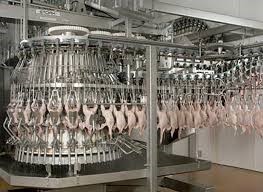
A primary cause of premature equipment failure in poultry processing is the aggressive nature of high-pressure washdowns, which often employ hot water, powerful alkaline or chlorinated caustic cleaners, and intense high-pressure sprays. These conditions are extremely effective at sanitizing, but they also act abrasively. They flush out standard H1 greases and oils from critical points like bearings and chains, which leaves them unprotected. Once the protective film is stripped away, metal-on-metal contact begins. This makes mechanical failure only a matter of time.
Food grade oils and greases for meet processing machinery lubrication
In the evisceration environment, bearing housings are continually exposed to constant moisture. This makes them highly susceptible to water ingress. Once water breaches the seal and enters the housing, it initiates a destructive cycle. It causes rust on the metal surfaces, dramatically increases friction within the bearing components, and leads to grease dilution.
| PRODUCT | VG | STANDARD / Base | APPLICATION | |
| Molylub Pure FG | 15 | ISO 21469 – H1 NSF; FDA 21 CFR 178.3570 | Processing tables, knifes, sliding surfaces |  |
Defeathering machines operate under some of the most demanding lubrication conditions in poultry processing. Constant water spray, steam, feather debris and high shock loads accelerate bearing wear and strip standard lubricants from chains and gearboxes within hours. The result is premature bearing seizure, chain corrosion, gearbox leakage and recurring unplanned stoppages.
Poultry conveyor Molylub FoodChain HT oil
Lubricants, such as oil and grease, help reduce friction and wear on moving parts, allowing your equipment to operate smoothly. Without sufficient lubrication, components can become damaged, leading to mechanical slowdowns and increased downtime. This not only affects productivity but also increases the risk of costly equipment failure.
Regularly applying lubricants to your machinery helps prevent overheating and reduces the chances of costly repairs. By keeping your equipment well-lubricated, you can extend its lifespan and maximize its efficiency, ultimately saving you time and money.